The Rising Star: Why Kenyan Premium Meat is Taking the Global Stage
In the vibrant tapestry of global trade, certain stories quietly yet powerfully emerge, signaling a shift in market dynamics. One such narrative unfolding with increasing prominence is Kenya’s ascent as a key player in the premium meat export market. Often overlooked in favor of more traditional meat-producing giants, this East African nation is steadily carving out a formidable niche, driven by unique advantages and a resolute commitment to quality. From the sun-drenched rangelands to sophisticated processing facilities, Kenyan premium meat is increasingly finding its way onto discerning plates across the globe, a testament to a sector brimming with potential.
A Heritage of Natural Grazing: The Kenyan Advantage
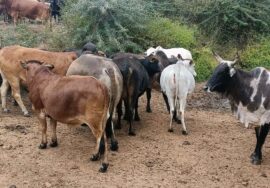
At the heart of Kenya’s premium meat offering lies its deep-rooted pastoralist heritage and vast, unadulterated grazing lands. Unlike intensive farming models, a significant portion of Kenyan livestock, particularly cattle, sheep, and goats, thrives on natural pastures across the country’s diverse landscapes, from the Rift Valley ranches to the arid and semi-arid lands (ASALs) of Northern Kenya.
This extensive grazing system imbues Kenyan meat with distinct characteristics highly sought after by health-conscious consumers worldwide. Animals graze on a varied diet of natural grasses and browse, leading to leaner meat with a richer, more nuanced flavor profile. This natural feeding process also aligns perfectly with growing consumer demand for ethically raised and sustainably sourced produce, offering a compelling narrative of transparency from farm to fork.
Furthermore, Kenya boasts indigenous cattle breeds renowned for their resilience and superior meat quality. The Boran, for instance, is a highly prized zebu breed known for its hardiness, adaptability to harsh conditions, and excellent carcass characteristics.1 These animals develop lean muscle and a fine texture, making them ideal for high-end cuts. Similarly, the Sahiwal, a dual-purpose breed, contributes to both milk and quality beef production, while cross-breeding with European breeds like Fleckvieh, Hereford, and Charolais further enhances growth rates and muscle development, ensuring a consistent supply of prime cuts.2 This strategic blend of indigenous robustness and improved genetics sets Kenyan meat apart.
From Pasture to Plate: Upholding Global Standards
The journey of Kenyan premium meat from the rangelands to international markets is a meticulously managed process, underpinned by a stringent adherence to global quality and safety standards. Recognizing the critical importance of these benchmarks for accessing discerning markets, Kenyan meat processors have invested significantly in modernizing their infrastructure and operational protocols.
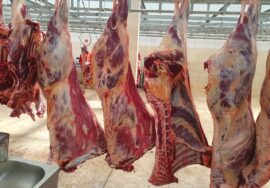
Leading abattoirs, such as the revitalized Kenya Meat Commission (KMC) and private entities like Quality Meat Packers (QMP), are equipped with state-of-the-art technology for humane slaughtering, efficient processing, and rigorous quality control. These facilities operate under strict veterinary supervision, with continuous inspections at various stages, from animal reception to product dispatch. The focus is not just on meeting, but often exceeding, international hygiene and food safety regulations, including certifications like ISO 22000:2018 (Food Safety Management Systems).3
A cornerstone of Kenya’s success in premium meat exports, particularly to the lucrative Middle Eastern markets, is its unwavering commitment to Halal certification. This ensures that the entire process, from the ethical treatment of animals to the method of slaughter and subsequent handling, adheres strictly to Islamic dietary laws. Reputable bodies like the Supreme Council of Kenya Muslims (SUPKEM) provide the necessary certification, building trust and opening doors to a vast consumer base that prioritizes Halal compliance.4 This meticulous attention to detail at every stage guarantees that the exported meat is not only safe and delicious but also culturally and religiously appropriate for its target markets.
The World’s Palate Awaits: Key Export Markets and Untapped Potential
Kenya’s premium meat exports have already established a strong foothold in several key international markets. The Middle East, particularly Saudi Arabia, the United Arab Emirates (UAE), and Kuwait, stands out as a primary destination for Kenyan beef, lamb, and goat meat.5 In 2023, Saudi Arabia alone accounted for a significant portion of Kenya’s bovine meat exports, demonstrating the strong demand for Kenyan produce in the region. The preference for naturally grazed, high-quality meat, coupled with the critical Halal certification, makes Kenyan meat a preferred choice for consumers in these nations.
Beyond the Middle East, there is immense potential for market diversification and growth. Efforts are underway to strengthen existing trade relationships and explore new opportunities in other parts of Asia, and potentially re-enter certain European markets, where demand for sustainably sourced and premium-grade meat continues to rise.6 The ongoing development of trade agreements and the improvement of cold chain logistics are crucial enablers for this expansion.
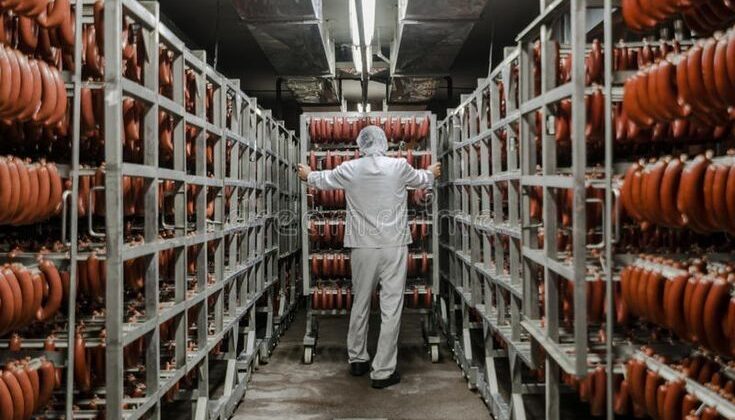
Furthermore, the range of export products is diversifying beyond chilled and frozen carcasses. Kenyan processors are increasingly engaging in value addition, offering prime cuts, specialty products, and even processed items, catering to diverse culinary preferences and enhancing profitability. This strategic shift towards higher-value products allows Kenya to capture a larger share of the premium market segment.
A Vision for the Future: Sustained Growth and Recognition
Kenya’s journey in the premium meat export sector is a story of resilience, adaptation, and a clear vision for the future. While challenges such as occasional climatic shocks and the need for continuous infrastructure development persist, the underlying strengths of the sector are undeniable. The nation’s abundant rangelands, its rich heritage of livestock farming, and its unwavering commitment to international quality standards form a robust foundation for continued growth.
As global consumers become increasingly discerning about the origin, quality, and ethical footprint of their food, Kenyan premium meat is perfectly positioned to meet these evolving demands. From the unique flavor imparted by natural grazing to the assurance of Halal compliance and stringent food safety, Kenya offers a compelling proposition. The rising star of Kenyan premium meat is not just a passing trend; it represents a sustainable and burgeoning industry poised to leave an indelible mark on the global culinary landscape. Keep an eye on Kenya – the taste of its premium meat is set to become a global sensation.