From Farm to Fine Dining: The Journey of Premium Meat Products
In a world increasingly hungry for exceptional culinary experiences, premium export meat stands as a testament to quality, tradition, and meticulous care. It’s more than just a cut of beef, lamb, or pork; it’s the culmination of a carefully orchestrated journey, beginning on verdant pastures and culminating on the plates of the world’s most discerning diners. This intricate process, demanding precision at every turn, ensures that only the finest cuts, embodying unparalleled taste and texture, reach international markets.
The Genesis: Superior Genetics and Ethical Rearing
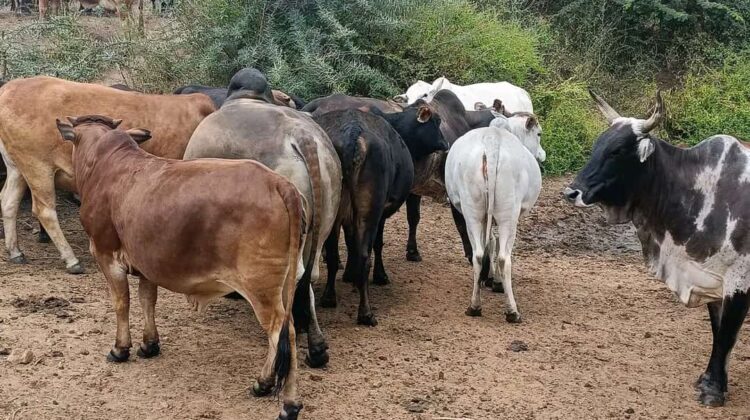
The journey of premium export meat begins long before the animal is even born. It starts with a commitment to superior genetics. Reputable farms, often generations-deep in their expertise, invest in breeds renowned for their marbling, tenderness, and flavour profiles. Think of the rich, buttery texture of Japanese Wagyu, the robust flavour of Australian grass-fed beef, or the delicate succulence of New Zealand lamb.
Beyond genetics, ethical and sustainable rearing practices are paramount. Premium meat comes from animals raised in environments that prioritize their well-being. This often means:
- Spacious Pastures: Animals graze freely on natural forage, promoting healthy development and natural muscle growth.
- Optimal Nutrition: Diets are carefully monitored, often supplemented with specific grains or feed to achieve desired fat and flavour characteristics.
- Stress-Free Environments: Minimizing stress is crucial, as it can negatively impact meat quality. This includes calm handling, comfortable housing, and access to fresh water.
- No Hormones or Unnecessary Antibiotics: Transparency in production, often certified by third-party organizations, assures consumers of a natural product free from artificial enhancements.
These foundational practices lay the groundwork for the exceptional quality that defines premium export meat.
The Art of Processing: Precision, Hygiene, and Expertise
Once the animals reach maturity, they are transitioned to processing facilities where the journey continues with unwavering attention to detail. This stage is a delicate balance of precision, hygiene, and expert craftsmanship.
- Humane Handling: Prioritizing animal welfare extends to the processing stage, with strict protocols for humane handling and stunning to minimize stress and ensure quality.
- State-of-the-Art Facilities: Premium processing plants are equipped with advanced technology and adhere to the highest international food safety standards (e.g., HACCP, ISO certifications). Impeccable hygiene is non-negotiable to prevent contamination.
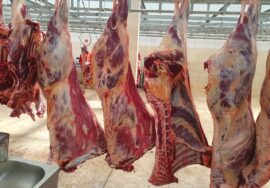
- Expert Butchery and Primal Cuts: Highly skilled butchers meticulously break down carcasses into primal cuts, exercising an art form honed over years. This precision ensures optimal yield and prepares the meat for further refinement.
- Rigorous Quality Control: Every step of the processing chain involves stringent quality checks. This includes visual inspection, temperature monitoring, and often, sophisticated grading systems that assess marbling, colour, and texture. Only cuts that meet exacting standards proceed to the next stage.
The Science of Preservation: Chilling, Freezing, and Packaging
Preserving the inherent quality of premium meat during its long journey across continents is a scientific endeavour. This stage is critical for maintaining freshness, flavour, and safety.
- Rapid Chilling: Immediately after processing, meat is rapidly chilled to specific temperatures to inhibit bacterial growth and preserve freshness. This controlled cooling is vital.
- Precision Freezing (for frozen products): For frozen exports, specialized freezers achieve rapid freezing at ultra-low temperatures. This quick freeze minimizes ice crystal formation, which can damage meat cells and compromise texture upon thawing.
- Vacuum Packaging: Most premium export meats are vacuum-sealed. This removes oxygen, which is a primary cause of spoilage and discoloration, significantly extending shelf life while protecting the meat from freezer burn and external contaminants.
- Protective Packaging: Beyond vacuum seals, cuts are often individually wrapped and then packed into sturdy, insulated cartons designed to withstand the rigours of international transit and maintain optimal temperatures.
The Global Voyage: Cold Chain Mastery and Regulatory Compliance
The logistical challenge of transporting perishable premium meat across vast distances demands absolute mastery of the cold chain. Any deviation can compromise the product’s integrity.
- Temperature-Controlled Transportation: From the processing plant to the final destination, every leg of the journey—refrigerated trucks, air cargo holds, or temperature-controlled shipping containers—maintains precise temperature ranges. Sensors and monitoring systems are often employed to ensure continuous adherence.
- Strict Documentation and Traceability: A comprehensive paper trail accompanies every shipment. This includes health certificates, origin declarations, export and import permits, and often, detailed traceability information that can pinpoint the farm of origin for each cut. This transparency is vital for regulatory compliance and consumer confidence.
- Navigating International Regulations: Each importing country has its own unique set of stringent food safety regulations, customs requirements, and animal health protocols. Exporters must possess an in-depth understanding of these diverse rules and ensure complete compliance to avoid delays or rejections. This often involves specific certifications, inspections, and labelling requirements.
- Strategic Logistics Partnerships: Successful premium meat export relies heavily on robust partnerships with experienced freight forwarders, airlines, and shipping lines that specialize in perishable goods and understand the critical nature of cold chain management.
The Destination: Fine Dining and Discerning Consumers
Finally, after thousands of miles and countless quality checks, the premium export meat arrives at its intended destination.
- Distribution to Elite Establishments: It is typically destined for high-end restaurants, luxury hotels, premium butcher shops, and specialized gourmet retailers. These establishments recognize and value the superior quality and provenance of the product.
- Culinary Transformation: In the hands of skilled chefs, these premium cuts are transformed into exquisite culinary masterpieces, showcasing their inherent flavour, tenderness, and marbling. Whether grilled to perfection, slow-braised to succulent tenderness, or delicately cured, the quality of the meat shines through.
- Consumer Appreciation: Discerning consumers, increasingly educated about food sourcing and quality, are willing to pay a premium for meat that offers a superior eating experience, along with the assurance of ethical and sustainable production.
The journey of premium export meat, “From Farm to Fine Dining,” is a complex and captivating narrative of dedication, innovation, and unwavering commitment to quality. It’s a testament to the meticulous care taken at every stage, from the genetics of the animal to the precision of the cut, the science of preservation, and the mastery of global logistics. In an era where food provenance and quality are highly valued, premium export meat stands as an embodiment of culinary excellence, satisfying the palates of the world’s most refined connoisseurs.